Puppet books and lift-the-flap books: why toddlers love them

A Proud Mom24 September 2026, 2 min read
Ask any parent which books their toddler brings over again and again, and the answer is usually one with a flap or a puppet. These books blur the line between reading and playing, and for a child under three that's exactly what makes them work.
Puppet books
A puppet book has a soft puppet, usually the main character, fixed inside the book, with its head poking through a hole cut in every page. As you turn the pages the puppet stays put, so it appears in each new scene.
There are two kinds:
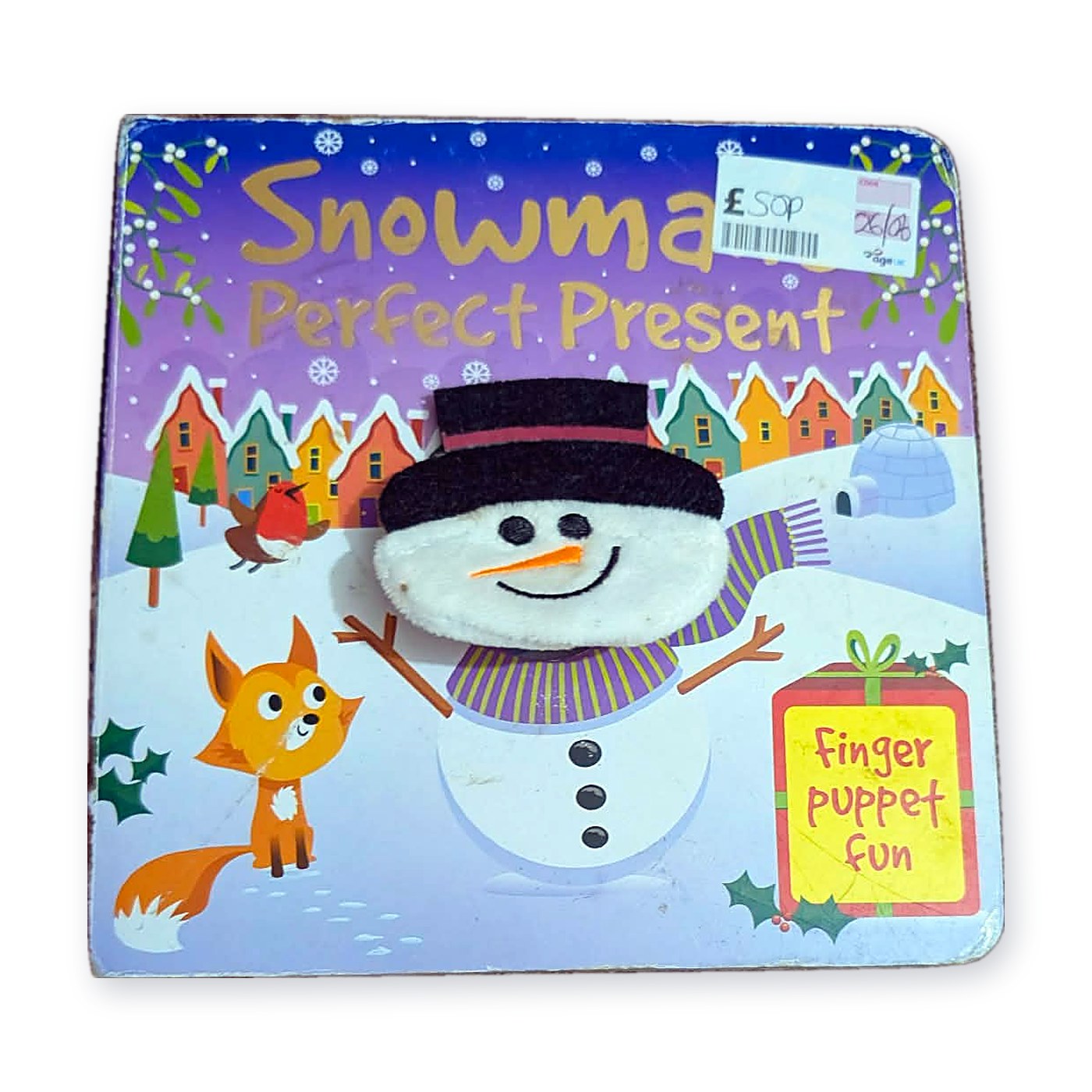
- Finger-puppet books have a small puppet you work with one finger. They're light, good for little hands, and often come in seasonal themes (a snowman, a reindeer, a little chick).
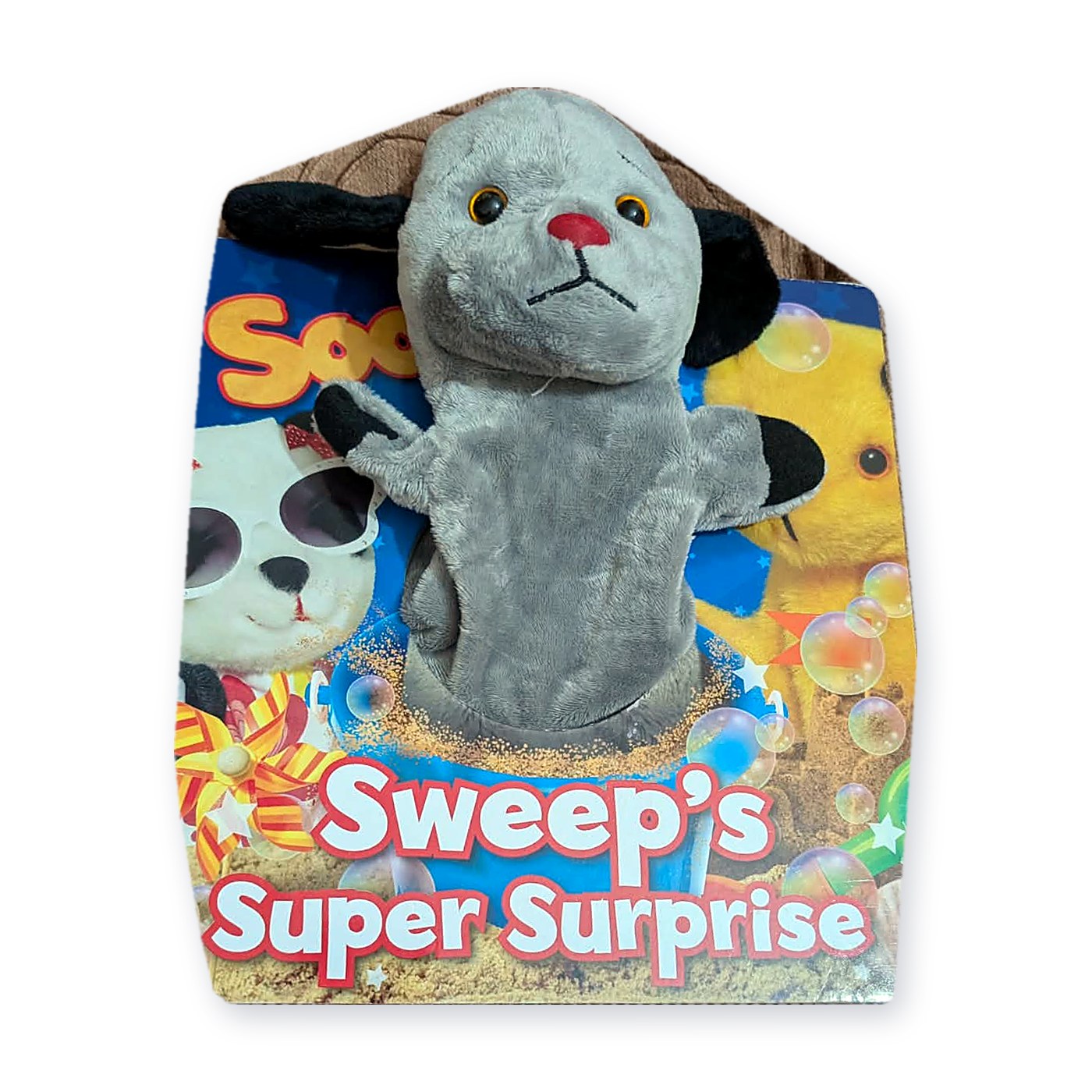
- Hand-puppet books have a bigger puppet you put your whole hand into. These are for the grown-up to perform: Sooty and Sweep books are a classic example.
How to read a puppet book
Let the puppet do the talking. Give it a voice, make it peep out, hide it behind the page, let it "kiss" your baby's nose. Your child will soon start talking to the puppet, and that back-and-forth is early conversation practice.
Lift-the-flap books
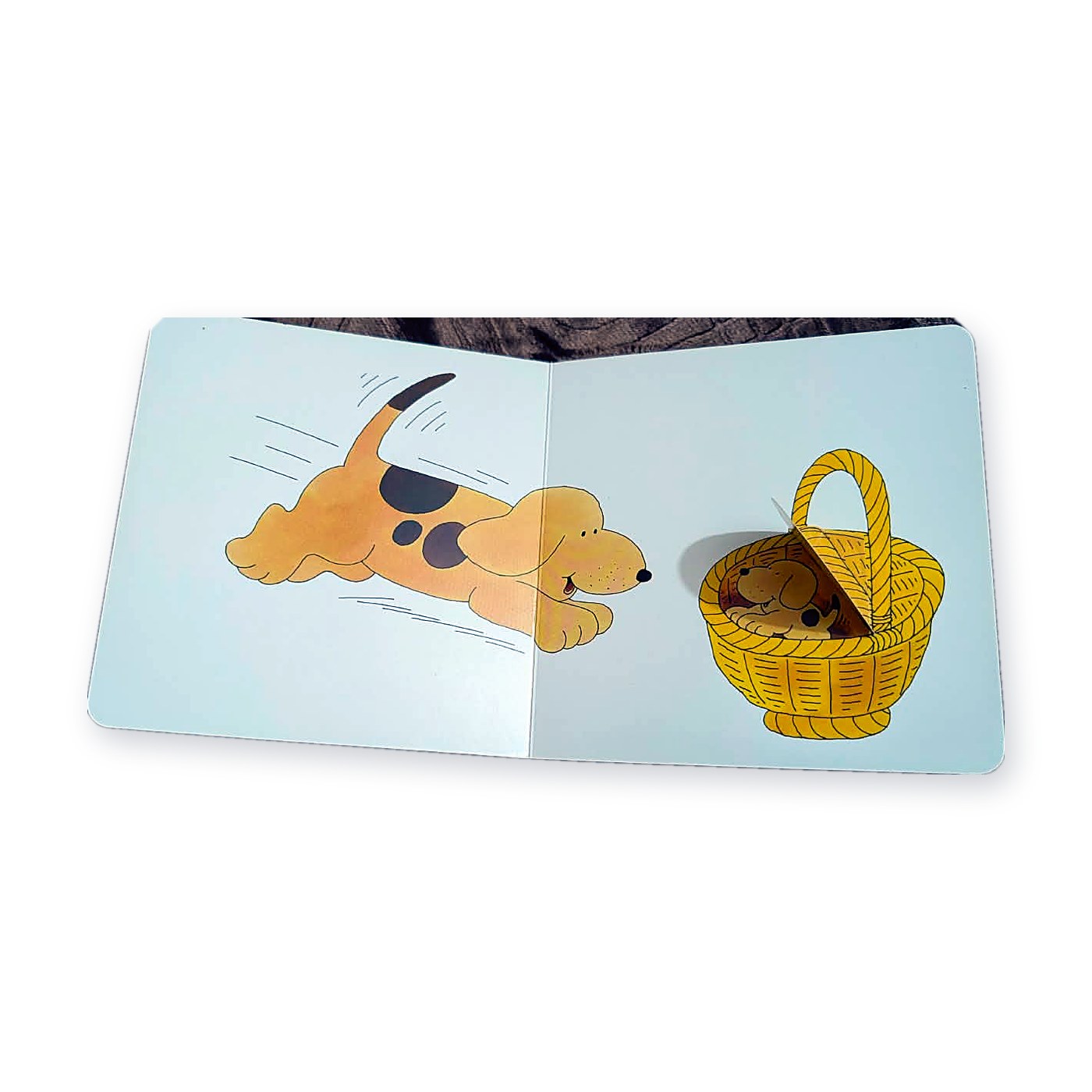
Each page has one or more card flaps hiding a picture underneath. The story is usually a gentle question ("Is he under the bed?") and lifting the flap gives the answer. It's peekaboo in book form, and peekaboo is one of the first jokes babies understand.
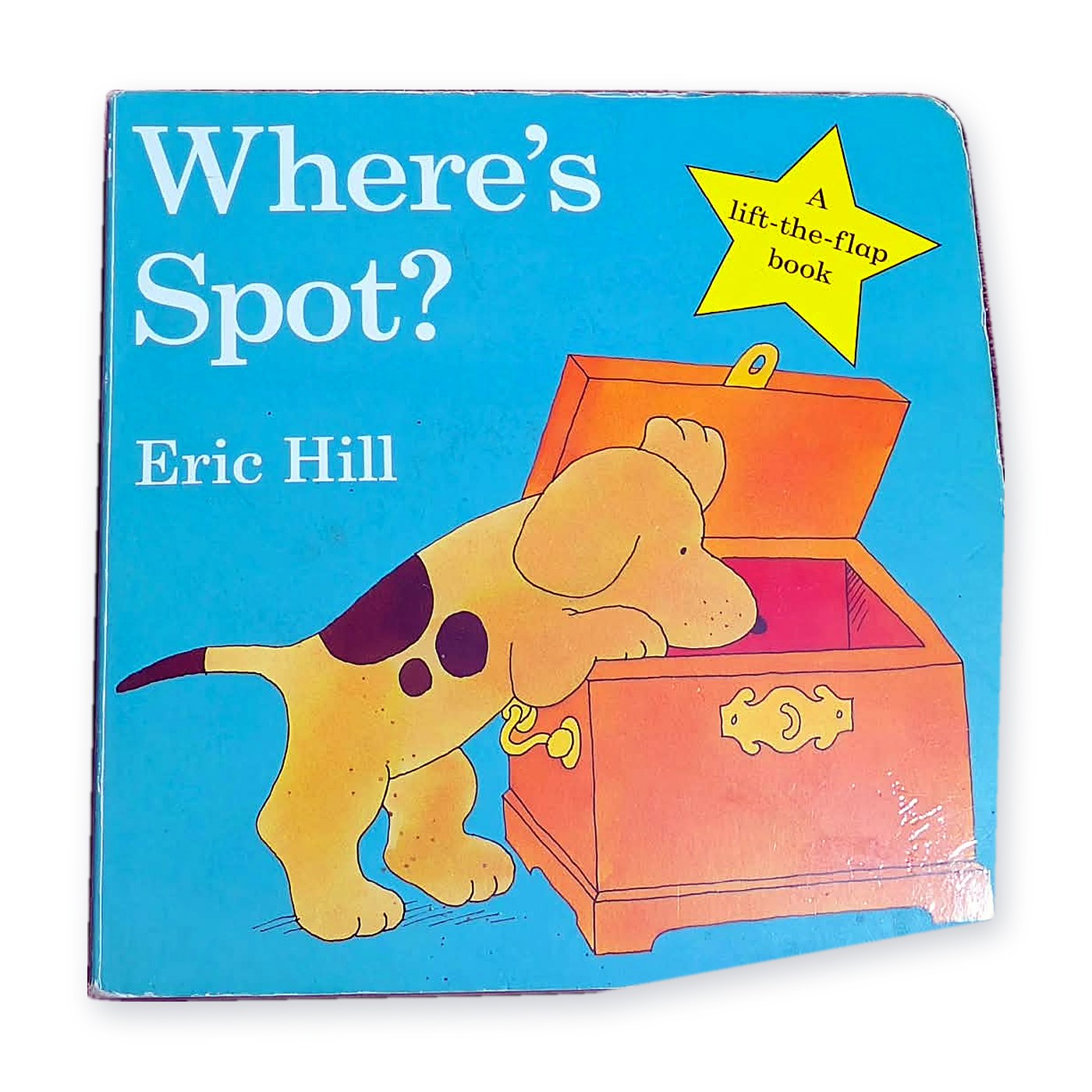
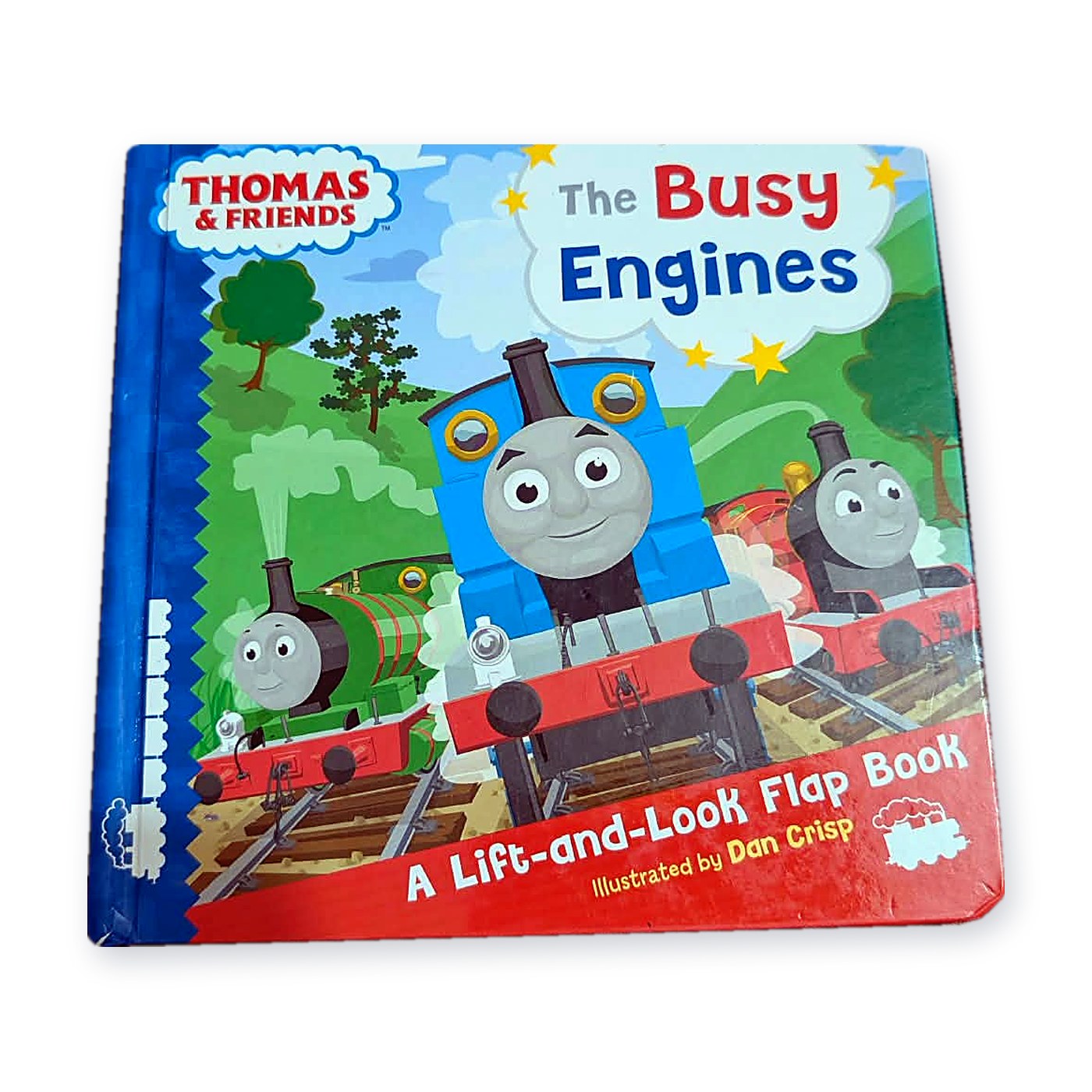
Where's Spot? by Eric Hill, first published in 1980, is the book that made the format famous and is still one of the best. Thomas & Friends, Dear Zoo and many Usborne books use flaps too.
Why flaps are good for development
- Fine motor skills: gripping a small flap and lifting it takes real finger control.
- Object permanence: something hidden is still there. Babies are working this out around the same age they love flap books.
- Prediction: after a few reads, your child knows what's under each flap and loves showing you.
Making them last
Flaps and puppets are the parts that wear first, so a little care goes a long way:
- Show how to lift from the edge. Toddlers tend to grab the middle of a flap and pull.
- Keep them in a basket, not a toy box, where heavier toys can crush flaps.
- Wipe, don't wash. A damp cloth with a little mild soap cleans board pages and flaps. Dab puppets with a damp cloth and let them air dry.
- Fix a loose flap early with a strip of clear book tape on the back.
Buying them pre-loved
Because they're the most-loved books, puppet and flap books are also the ones parents most often pass on. That's how we find most of ours. Before listing one, we lift every flap, check the puppet's stitching and squeakers, and describe any wear honestly, so you know exactly what you're getting.
Watch
Questions parents ask
- What age are puppet books for?
- From around 6 months with a parent doing the puppet, and up to about 4 years once children want to do it themselves.
- What age can a baby lift flaps?
- Most babies can lift big, sturdy flaps somewhere between 10 and 15 months. Before that, lift them yourself and let them watch the surprise.
- Are puppet books safe for babies?
- Puppet books sold in the UK and EU carry safety marks and are tested for small children. Check the puppet is firmly stitched with no loose threads before handing one to a baby.