When to start reading to your baby, and what to read first

A Proud Mom23 November 2026, 3 min read
The short answer: start now. The American Academy of Pediatrics recommends reading aloud to children from infancy, and there's no age at which it's too early. A newborn won't follow a plot, but they're taking in your voice, the rhythm of the words and the closeness of sitting together. That's the point at this stage.
What changes as your baby grows is what they do with a book, and so which books suit them.
0–3 months: your voice is the book
In the first weeks, babies see high-contrast shapes best and focus on things about 20–30 cm away, roughly the distance to your face while feeding. Hold a simple black-and-white or bold-coloured book at that distance and talk about what's on the page. You can read anything aloud, even your own book; what your baby is learning is the sound and music of language.
What to look for: high-contrast board books, simple faces, one big picture per page.
3–6 months: grabbing, patting, chewing
Around now, hands get involved. Your baby will reach for the page, pat it and almost certainly try to eat it. This isn't bad behaviour; it's exploration. This is where board books earn their place: thick card pages survive being gripped and mouthed, and they wipe clean.
What to look for: board books with bright colours, textures to touch ("touch and feel" books), and short rhythmic text you can say in a sing-song voice.
6–12 months: turning pages and pointing
Somewhere in this window, babies start turning chunky pages (often several at once), pointing at pictures and recognising favourites. Repetition is a feature, not a bug: reading the same book twenty times helps them predict what comes next, and that's early comprehension.
What to look for:
- Touch and feel books, where every page has a patch to stroke
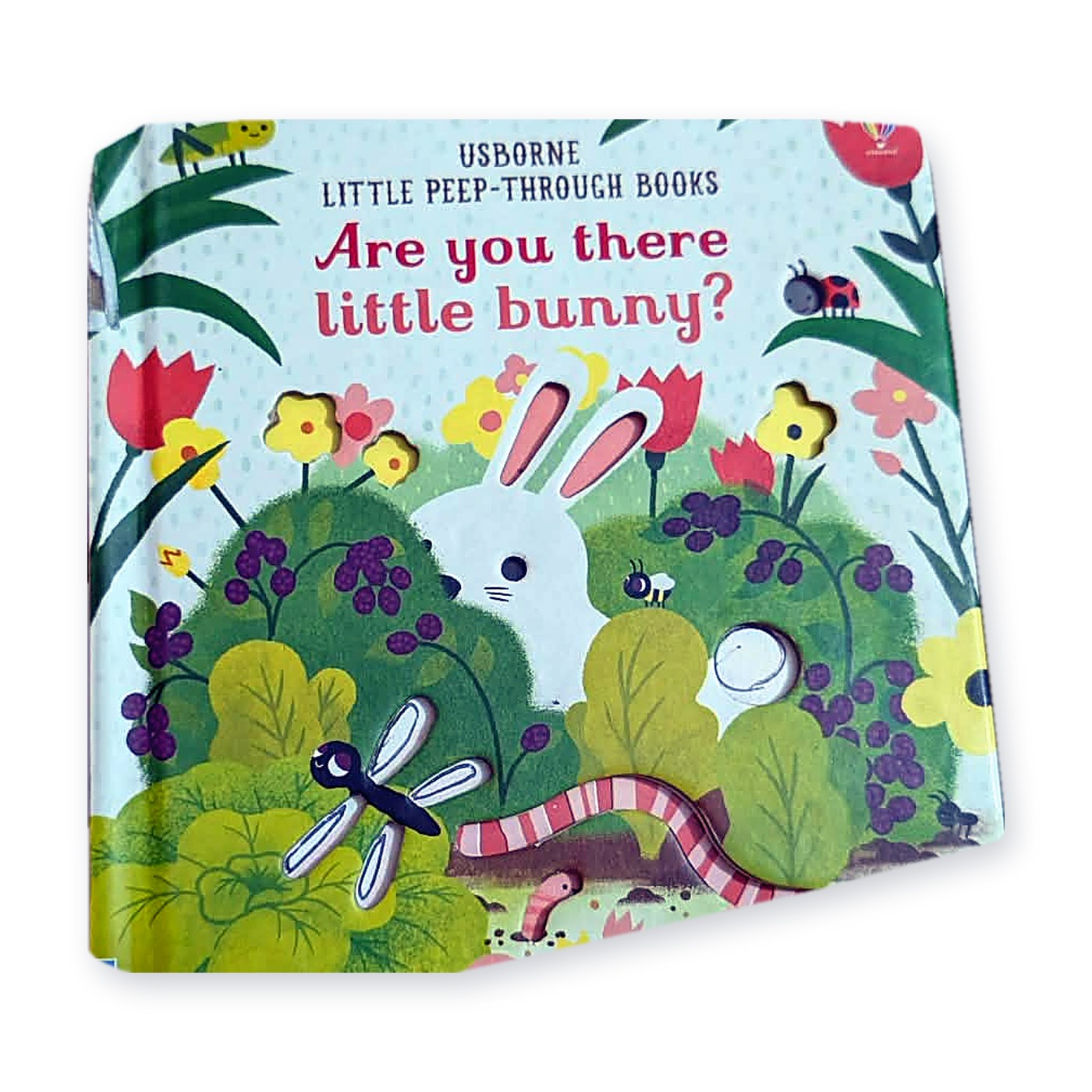
- Peep-through books with holes to poke a finger through, like Usborne's Are You There Little Bunny?
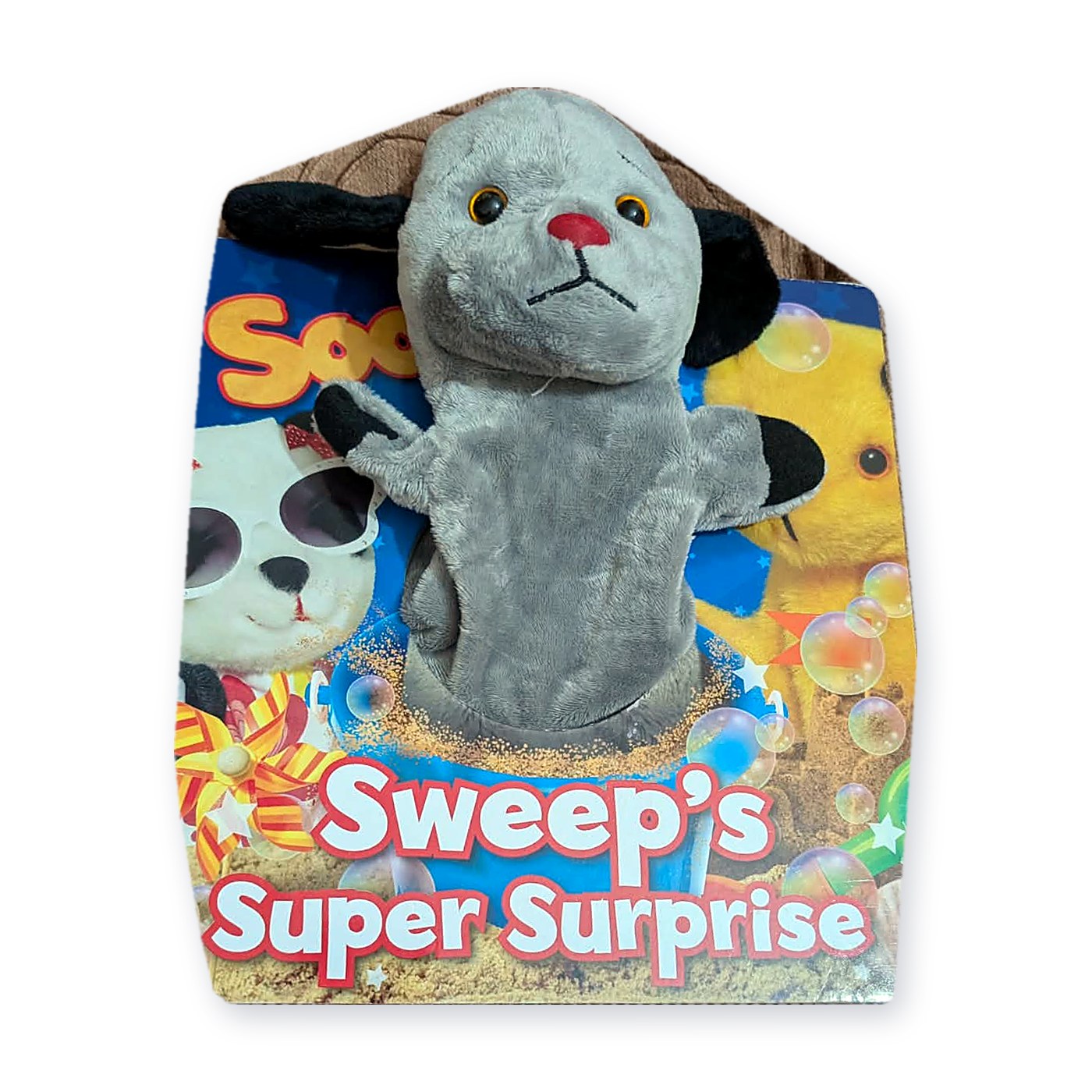
- Puppet books, where a soft puppet pokes through every page and becomes the character
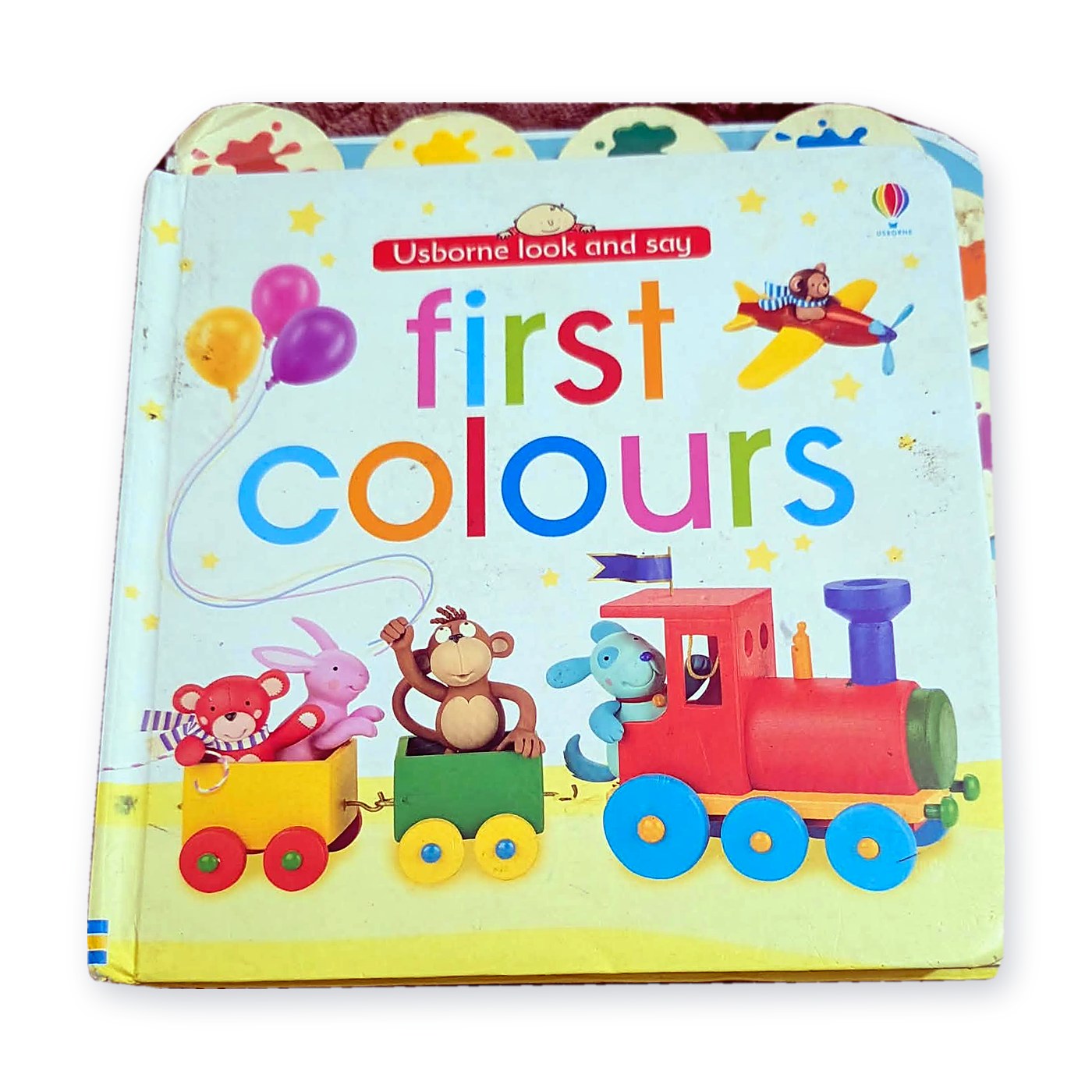
- Simple first-words books with one object and one word per page
12 months and up: flaps, questions and stories
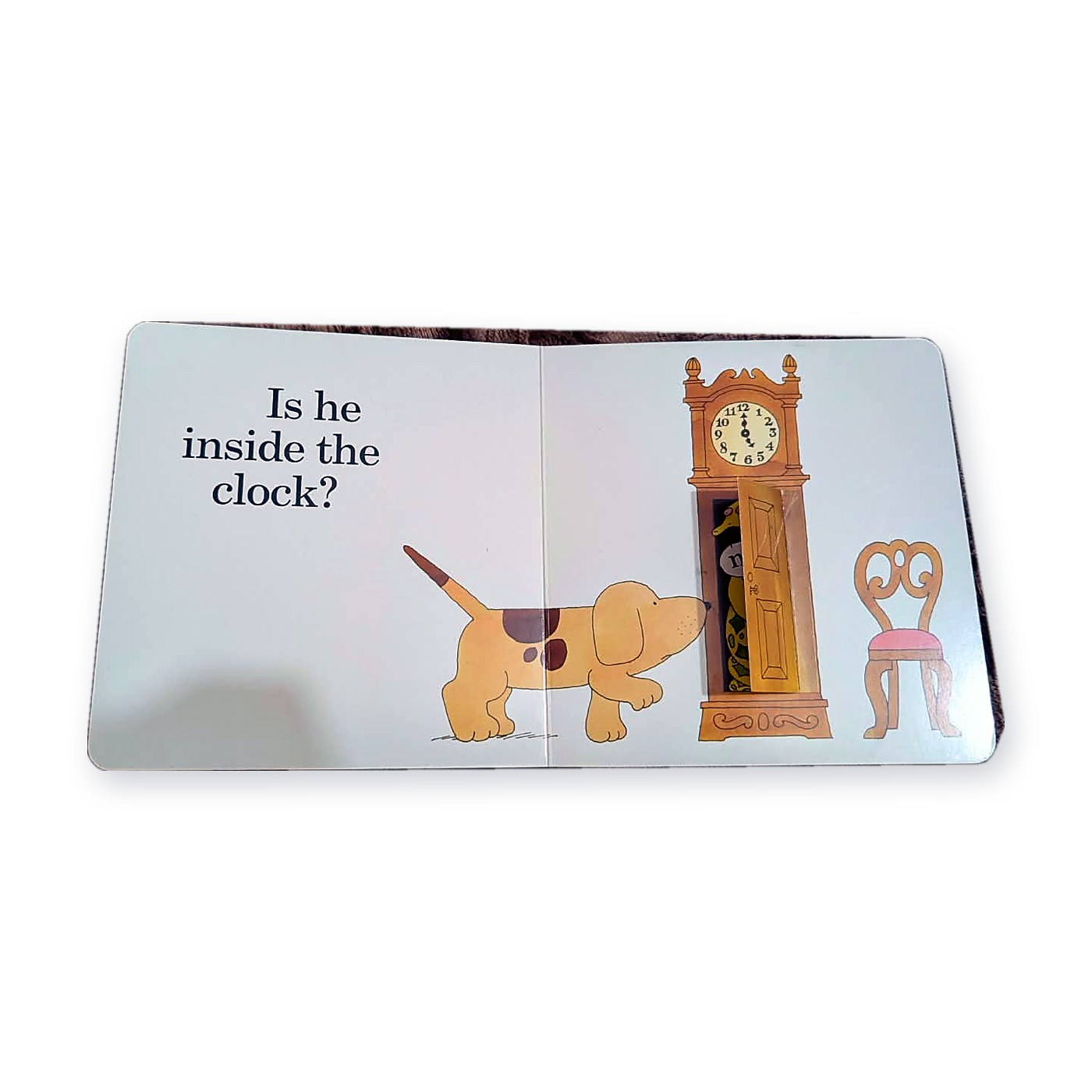
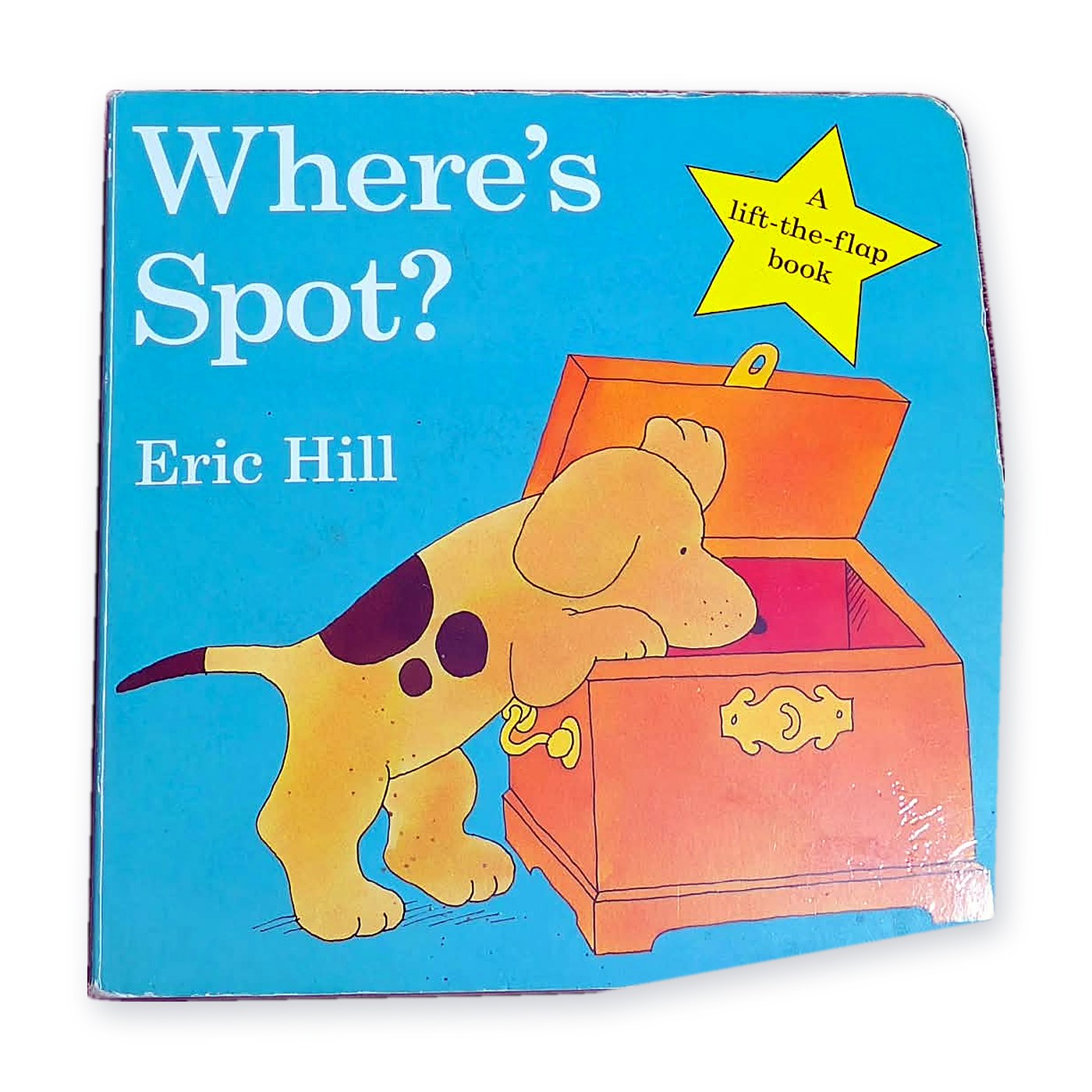
By the first birthday many babies can lift a flap, and they love the surprise of finding something underneath. Lift-the-flap classics like Where's Spot? are perfect here: the story is a game of hide and seek, and your child gets to do the finding. You'll also notice they start "asking" for books by bringing them to you.
What to look for: lift-the-flap books, books with a simple repeated question ("Is he in the…?"), and counting or colour books with real objects.
Making it a habit
- Keep it short. Two minutes is a success. Stop when they wriggle off.
- Pick a regular slot. After the evening feed or before a nap works for many families.
- Leave books where little hands can reach them. A low basket on the floor beats a high shelf.
- Read in any language. Urdu, English, Punjabi, Sindhi: the language you're most comfortable in is the best one for reading aloud. Point and name things in both if you're raising a bilingual child.
- Don't worry about finishing. Talking about the pictures counts as reading.
Why we sell pre-loved board books
Babies go through books quickly: they outgrow a stage in a few months, and the best books get chewed, dropped and loved. Good imported board books cost Rs 1,800–2,500 new in Pakistan, which adds up fast. Pre-loved copies give your baby the same books for a fraction of the price, and we check and wipe every one before it's listed.
Watch
Questions parents ask
- Is it too early to read to a newborn?
- No. Newborns won't follow the story, but they listen to your voice and rhythm, and short, regular reading builds a habit you'll both keep.
- How long should I read to my baby each day?
- A few minutes is plenty. Two or three short sessions, like after a feed or before sleep, matter more than one long one.
- My baby keeps chewing the book. Should I stop?
- Chewing is how babies explore. That's why board books exist: thick pages survive being mouthed, and they wipe clean.